Engineering Pathway: From High School to Career
Engineering programs are among the most competitive. Learn which high school courses, projects, and experiences will set you up for success in any engineering discipline.
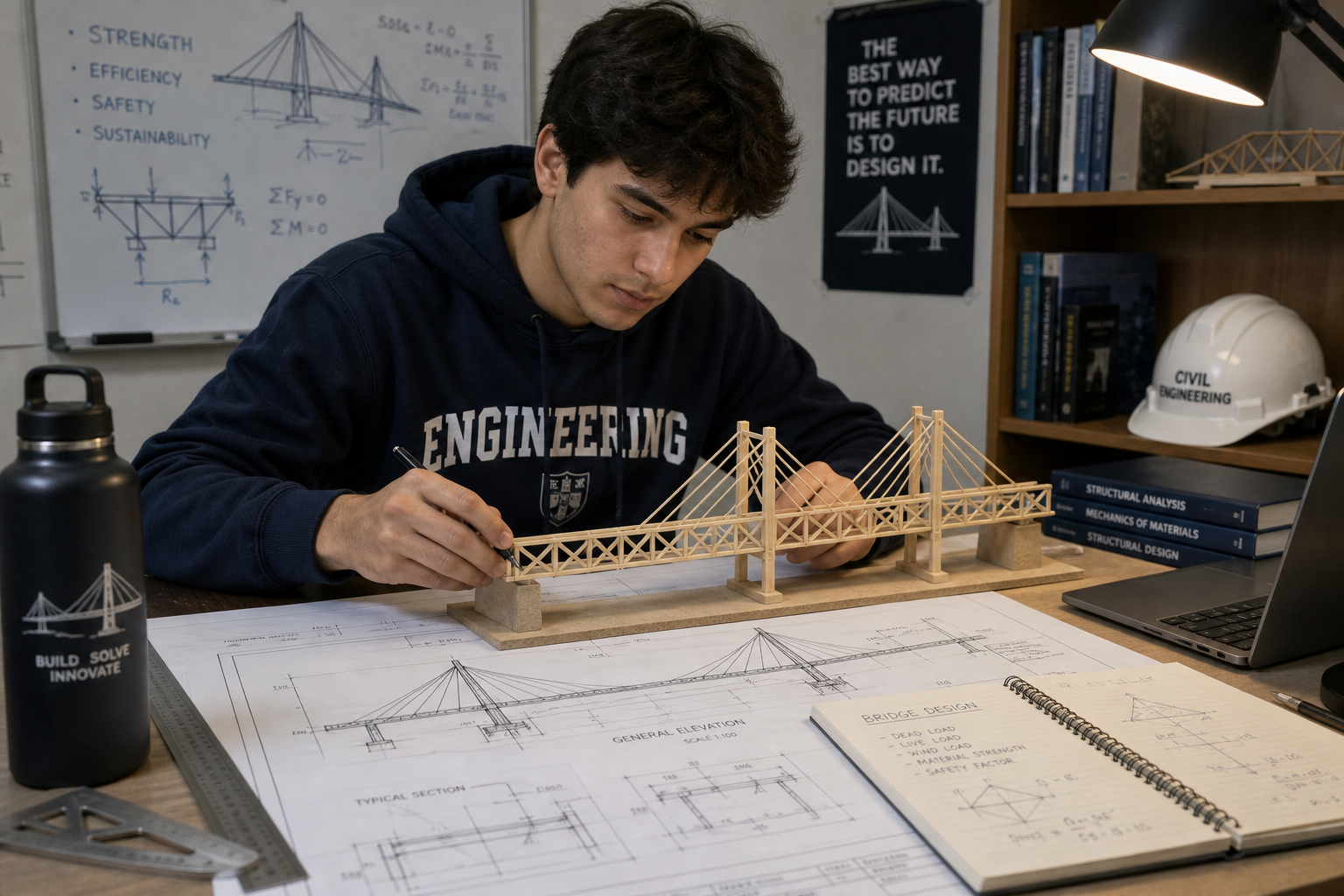
Engineering Pathway: From High School to Career is a topic that every college-bound student needs to understand deeply. In today's competitive admissions landscape, having the right information at the right time can make the difference between acceptance and rejection at your dream school. This comprehensive guide covers everything you need to know, with actionable strategies you can implement immediately.
Why This Matters for Your College Journey
The college admissions process has become increasingly complex over the past decade. With acceptance rates at top schools dropping below 5% and the average student applying to 10+ schools, standing out requires more than good grades. It requires strategic planning, authentic storytelling, and consistent execution over your entire high school career.
Students who understand the landscape early — and take intentional action — have a massive advantage over those who start scrambling junior year. The data is clear: early planners are more likely to earn merit scholarships, gain admission to reach schools, and graduate with less debt.
Key Strategies for Success
Based on research from admissions professionals and successful applicants, here are the strategies that consistently produce results:
1. Start With the End in Mind
Before choosing courses, activities, or summer programs, ask yourself: "What story do I want my application to tell?" Every decision should contribute to a coherent narrative about who you are and where you're headed. This doesn't mean you can't explore — it means your exploration should be intentional.
2. Depth Over Breadth
Admissions officers consistently say they prefer students with deep commitment to a few activities over those with surface-level participation in many. A student who spent four years building a robotics program from scratch is more compelling than one who joined 15 clubs for a semester each.
3. Align Your Curriculum
Your course selection should tell the same story as your activities and essays. If you're applying as a future engineer, your transcript should show progressively challenging math and science courses. If you're applying as a future writer, it should show advanced English, creative writing, and humanities courses. This alignment signals intentionality to admissions committees. Learn more about aligning your curriculum with your target degree.
4. Build Genuine Relationships
Your recommendation letters are only as strong as your relationships with your recommenders. Start building genuine connections with teachers, counselors, and mentors early. Ask questions in class, attend office hours, and show genuine intellectual curiosity.
5. Document Everything
Keep a running record of your activities, achievements, reflections, and growth. When application season arrives, you'll be grateful to have four years of material to draw from rather than trying to remember everything at once.
Common Pitfalls to Avoid
- Waiting until junior year to start planning: By then, your course trajectory is largely set and you've missed early opportunities.
- Choosing activities for your resume: Admissions officers can tell when involvement isn't genuine. Do what you love and the application will take care of itself.
- Ignoring financial planning: Understanding scholarship opportunities early means you can position yourself to qualify for more awards.
- Not researching your target schools: Each school has different values, requirements, and culture. Generic applications rarely succeed.
- Neglecting your mental health: Burnout helps no one. Build a sustainable pace that allows for rest, relationships, and genuine enjoyment of high school.
The Role of Technology in College Prep
AI-powered college planning tools have democratized access to the kind of strategic guidance that used to require expensive private counselors. These tools can analyze your profile, research college requirements, and build personalized plans — all in minutes rather than months.
The key is using technology as a complement to, not a replacement for, your own judgment and effort. AI can help you plan, but you still need to execute. It can help you draft, but you still need to make it authentically yours.
Taking Action Today
Regardless of your current grade level, here's what you can do right now:
- Assess where you are: What courses have you taken? What activities are you involved in? What's your GPA?
- Define where you want to go: What colleges interest you? What degree path excites you?
- Identify the gap: What do you need to do between now and application season to be competitive?
- Build a plan: Create a structured timeline with specific milestones for each semester.
- Get support: Whether it's a counselor, mentor, or AI tool, don't try to navigate this alone.
How The College CoPilot Can Help
The College CoPilot was built for exactly this purpose. Our AI advisor Orion builds a personalized 4-year roadmap based on your specific goals, assigns weekly lessons to keep you on track, discovers scholarship intelligence you qualify for, and adapts when your circumstances change.
Whether you're a freshman just starting to think about college or a senior polishing your applications, having a structured plan with AI-powered guidance gives you a significant advantage in today's competitive landscape.
Get started with The College CoPilot and let Orion build your personalized college preparation plan today.

Related Articles
Computer Science Pathway: From High School to Tech Career
Computer science is the most in-demand degree. Here's how to build coding skills, choose the right courses, and create projects that get you into top CS programs.
Read more Degree PathsArts and Humanities College Prep Guide
Pursuing arts or humanities doesn't mean less preparation — it means different preparation. Learn how to build a portfolio, develop your voice, and find programs that fit.
Read more Degree PathsBusiness and Finance Degree Preparation in High School
Want to study business or finance in college? Here's how to build the academic foundation, leadership experience, and financial literacy that top programs look for.
Read moreReady to start your college journey?
The College CoPilot uses AI to build your personalized 4-year roadmap, find scholarships, and prepare you for acceptance.
Get Started Free